


Shade Availability and Social Determinants of Melanoma Incidence in the U.S.
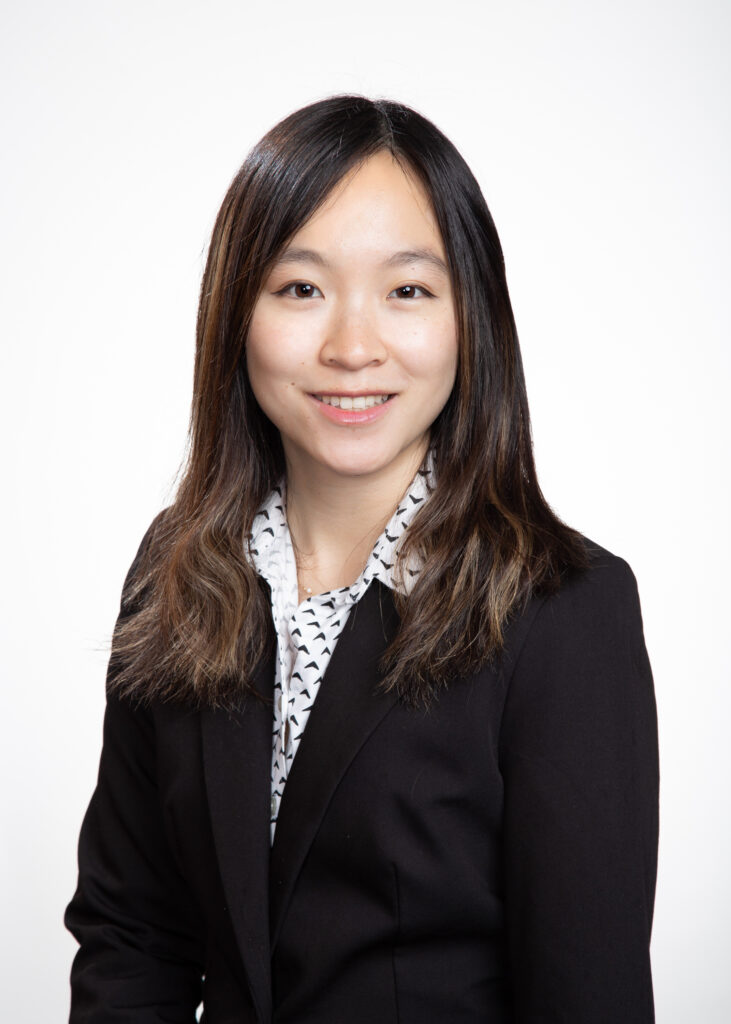
Joy Xie
Dr. Carolyn Heckman
Medical Student Award
Robert Wood Johnson Medical School
In Honor of Richard Draeger
Joy Xie’s Abstract
Skin cancer is the most common cancer in the United States, and nearly one in five Americans will develop it during their lifetime. While most prevention efforts focus on sunscreen, clothing, and behavior changes, one important protective factor, access to shade, has received far less attention. Shade, created by trees and built structures, can reduce harmful ultraviolet (UV) radiation exposure. However, not all communities have equal access to shaded environments. Areas with fewer trees or less green space often overlap with communities that already face other health and environmental challenges. This project investigates whether communities with less shade experience higher rates of melanoma, the most serious form of skin cancer.
We are combining several national data sources, including the Centers for Disease Control and Prevention’s county-level cancer statistics, environmental shade data from the Tree Equity Score, UV exposure data from the National Institutes of Health, and demographic information from the U.S. Census. By analyzing these datasets together, we aim to understand how environmental and social factors interact to influence skin cancer risk. Early findings from New Jersey show that counties with less tree canopy coverage have higher rates of skin cancer. As our work expands nationally, we will identify which states and counties have the greatest need for shade-based interventions. The goal of this research is to establish shade availability as a key environmental factor in melanoma prevention and to provide evidence for policies that promote tree planting and shaded public spaces. By improving shade access, especially in communities with fewer resources, we hope to reduce future cases of melanoma and make skin cancer prevention more equitable and effective for everyone.