



a-Synuclein Regulates DNA Double-Strand Break Repair in Melanoma
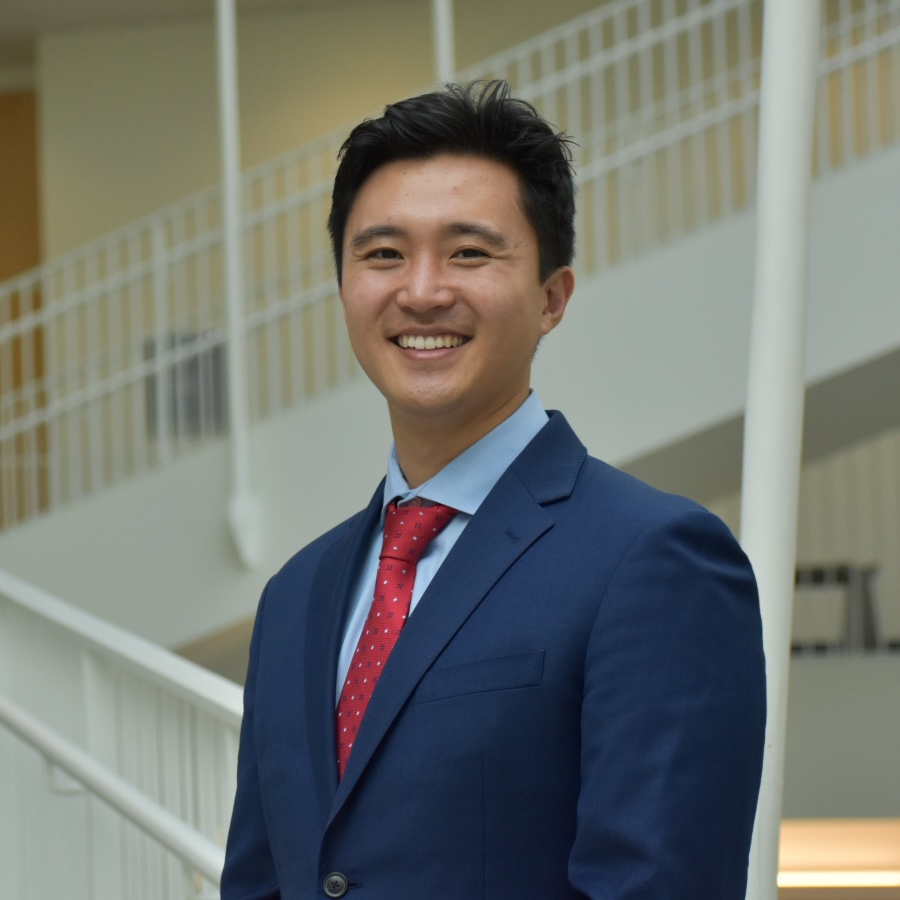
Samuel Kim
Vivek Unni, MD, PhD; Andrew Adey, PhD
Medical Student Award
Oregon Health & Science University - OHSU
Funded by the TashaStrong Foundation
Samuel Kim‘s Abstract
Melanoma and Parkinson’s disease may seem like completely unrelated conditions. One involves uncontrolled cell growth, while the other involves the degeneration of brain cells. However, research has shown a surprising connection between them: people with melanoma are more likely to develop Parkinson’s disease, and vice versa. This link suggests that both diseases may share biological processes that determine whether a cell survives or dies. A key molecule that may connect these two conditions is a protein called alpha-synuclein, best known for its role in Parkinson’s disease. In brain cells, this protein can clump together into a non-functional aggregate, impairing the cell’s ability to repair its DNA and eventually leading to cell death.
In melanoma, however, an overabundance of the same protein appears to help tumor cells repair DNA damage more efficiently, which promotes tumor progression and resistance to cancer treatments such as radiation or chemotherapy. This project will explore how alpha-synuclein influences DNA repair in melanoma cells and whether those same repair pathways can be targeted to make treatments more effective. To do this, we will compare melanoma cells that produce alpha-synuclein with those that do not, using advanced imaging, molecular, and single-cell techniques to track how cells respond to DNA damage. We will also test whether a drug called enoxacin, which strengthens the cell’s natural DNA repair machinery, can restore efficient repair in cells lacking alpha-synuclein. By uncovering how melanoma cells use these repair mechanisms to survive, this work could reveal new ways to increase the effectiveness of existing therapies and prevent treatment resistance. More broadly, it may explain how the same molecular pathways can cause degeneration in the brain but drive cancer growth in the skin, providing insight that could benefit patients with both melanoma and Parkinson’s disease.