



Targeting the Melanoma TME to Intercept Metastasis and Therapy Resistance
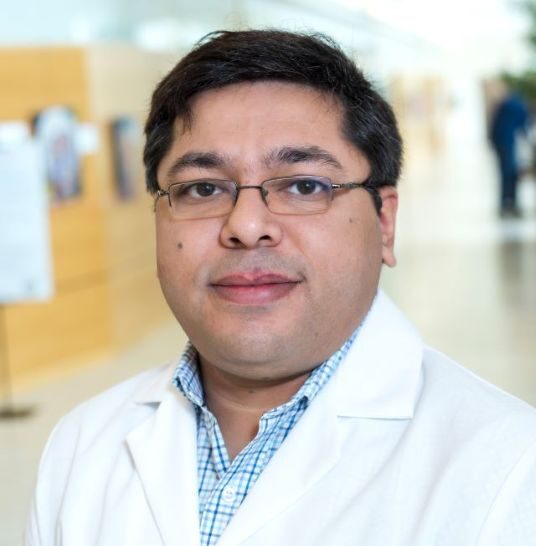
Yash Chhabra, PhD
Edna Cukierman, PhD; Jeffrey Farma, PhD
2026 Career Development Award
The Research Institute of Fox Chase Cancer Center
Yash Chhabra’s Abstract
Why This Research Matters
Melanoma is one of the deadliest skin cancers, known for its rapid spread to other organs (metastasis), which makes it particularly lethal. Current treatments aimed at killing melanoma cells are not as effective because melanoma cells can manipulate nearby healthy cells to avoid detection and resist body’s immune defenses. As a result, cancer cells continue to spread and can hide detection until favorable conditions arise. This issue is more pronounced in older patients, particularly men over 65 years, who develop aggressive melanoma and respond less effectively to treatments. Undoubtedly, advancing age is a major risk factor, but we still do not fully understand why melanoma behaves differently in men and women.
What We Are Studying
Our research focuses on the “neighborhood” around tumor cells, called the tumor microenvironment. A key part of this environment is the extracellular matrix (ECM), which is a network of proteins that provides structure to the skin and helps control how cells move and interact. As we age, this ECM changes, and those changes are different in males and females. We believe these differences play a major role in how melanoma grows, spreads, and responds to treatment. Our early findings show that melanoma cells become more mobile and resist treatment when exposed to the skin environment of older males compared to females. This suggests that age- and sex-related changes in the surrounding tissue and not just the cancer cells themselves can drive disease progression and treatment failure.
How the Study Works
In this project, we will investigate how changes in the skin environment influence melanoma spread and response to therapy. We will also test new strategies to stabilize this environment to prevent cancer cells from escaping and spreading, while improving the effectiveness of existing treatments, including targeted therapies and immunotherapies. In parallel, we will analyze patient samples to identify features of the tumor’s neighborhood that can predict how aggressive a cancer will be and how well a patient may respond to treatment.
Expected Impact
Our ultimate goal is to develop a new approach that prevents them from spreading in the first place and take away the ability of tumor cells . By understanding how age and sex shape the tumor environment, this research could lead to more effective, personalized treatments and improved outcomes for melanoma patients, especially those at highest risk.