

A Chemical Proteomics Campaign for Rare Melanomas
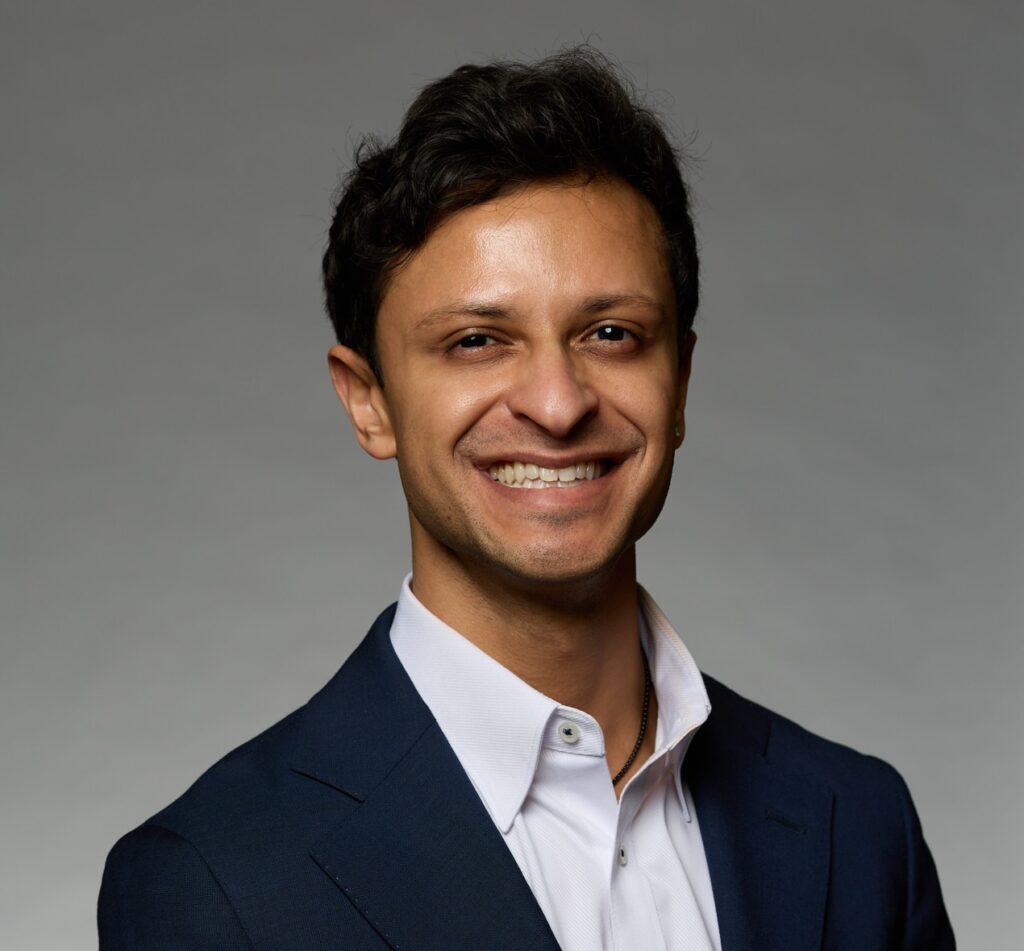
Chirag Vasavda, MD, PhD
Liron Bar-Peled, PhD
2026 Career Development Award
Massachusetts General Hospital
In Memory of Lynn Kessler
Chirag Vasavda’s Abstract
Why This Research Matters
Melanoma is the deadliest form of skin cancer. While new treatments have dramatically improved survival for the most common type of melanoma, patients with rarer forms of the disease have not benefited from these advances. Acral melanoma, which develops on the palms, soles, and under the nails, disproportionately affects people with darker skin tones and has a five-year survival rate below 25% after it has spread. Uveal melanoma, which arises in the eye, spreads to the liver in about half of all patients, and those with metastatic disease survive less than a year on average. Currently, there are no effective targeted drugs for either of these rare cancers. A major reason for this treatment gap is that scientists have not yet identified the right molecular targets to attack in these tumors.
What We Are Studying
Our laboratory has developed a powerful new technology called DrugMap that uses chemistry to find hidden weak spots in cancer cells that traditional genetic approaches miss. Using this technology, we discovered that a protein called SOX10, which acts as a master switch driving melanoma growth and helping tumors hide from the immune system, may be a key vulnerability that can be targeted with a drug. We have already created the first experimental drug that targets SOX10, and it can stop melanoma cells from growing, including cells that are resistant to current immunotherapy treatments.
How the Study Works
Through our research, we will test whether this drug is effective against acral and uveal melanoma cells, and we will work to develop a more potent version of the drug. Importantly, because melanoma cells can sometimes become resistant by switching on a related protein called SOX9, we are designing a drug that blocks both SOX10 and SOX9 at the same time to prevent resistance. In addition to our drug development work, we will use our DrugMap technology to create the first comprehensive map of drug targets in acral and uveal melanoma tumors taken directly from patients. This map will reveal new opportunities for drug development that have never been seen before and will be shared publicly so that researchers worldwide can use it to develop new treatments.
Expected Impact
Our goal is to deliver new drug candidates for these underserved melanoma patients and to provide the research community with a roadmap for future drug discovery. This work has the potential to transform how we treat rare melanomas by identifying and attacking the specific molecular vulnerabilities that drive these aggressive cancers.