




Optimizing circadian rhythms and immunotherapy outcomes via light therapy
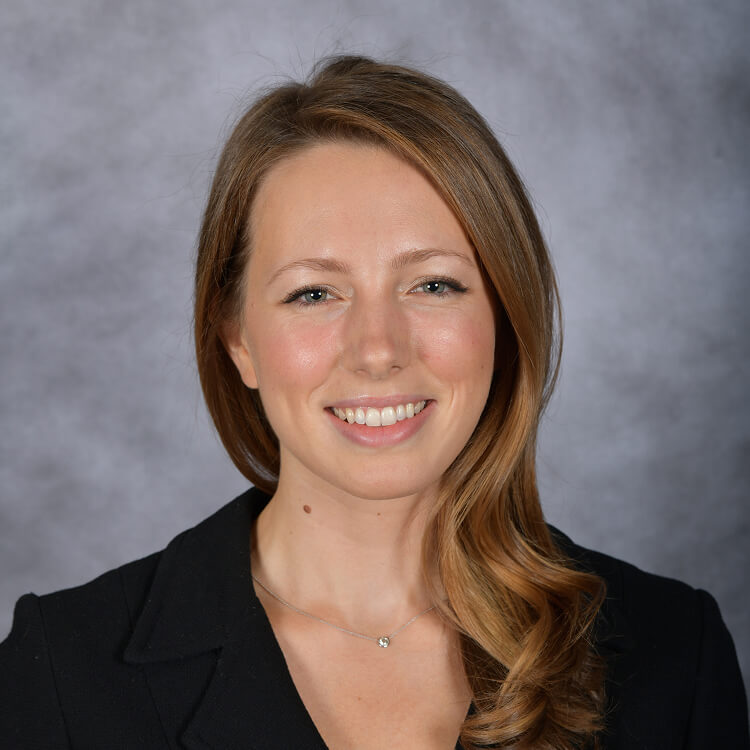
Jessica Palmer, MD
Paul Chapman, MD
Resident/Fellow Award
Weill Medical College of Cornell University
Funded by Elizabeth Small, MD
Jessica Palmer’s Abstract
Cancer can evolve to hide from the immune system by putting “brakes” on how the body searches for abnormal cells. Immunotherapy (IO) is a treatment that releases these brakes to activate the immune system to destroy cancer cells. Melanoma, an aggressive skin cancer, and the most common type of lung cancer (non-small cell lung cancer) are particularly sensitive to IO and survival has improved since IO came into use. Since not all patients respond and responses don’t always last, we are exploring ways to increase IO effectiveness.
Recent studies show IO can be more effective when given in the morning instead of later in the day and that immune system activity is controlled by a person’s circadian rhythm (CR), or the internal clock that controls body functions like sleep. Cancer patients can have dysregulated CR, which has been associated with poorer survival. We are studying how modifying the CR of patients might improve responses to IO.
The external factor that most influences CR is light. There is evidence for the beneficial effects of bright light therapy (BLT) in cancer patients for improving symptoms like fatigue. We do not yet know how BLT can affect IO outcomes, so our study aims to show that BLT is feasible and safe in patients starting IO. We will deliver BLT via an easy-to-use iPad app called Circadian OS, which emits light while patients use the iPad as they normally would (browsing the Internet, checking email, streaming content, etc.). Patients will be asked to use BLT for 60 minutes daily for at least 7 days before their first IO treatment. We will also collect blood and urine to inform us on how BLT might affect patients’ CR and immune systems. Once we demonstrate BLT is feasible and safe, we will be able to design a larger study that compares IO outcomes in patients who receive BLT and patients who do not to see if BLT helps. Our ultimate goal is to improve the effectiveness of IO with a simple tool that patients can use at home.