



Targeting developmental lineage programs in melanoma
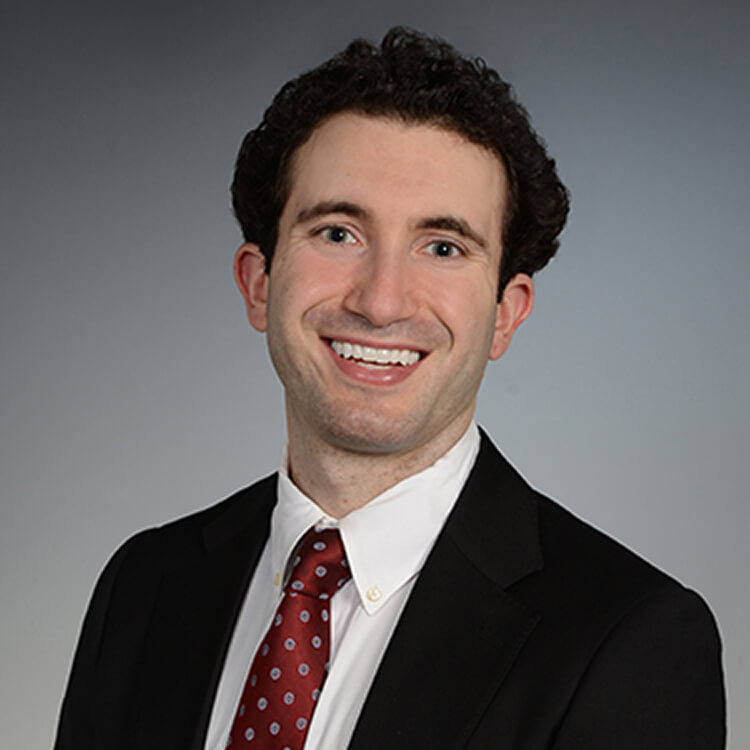
Joshua Weiss
Michael Postow, MD
Resident/Fellow Award
Memorial Sloan Kettering Cancer Center (MSK)
In Memory of Lynn Kessler
Joshua Weiss’s Abstract
Melanoma is a cancer derived from melanocytes, the pigment cells of the skin and other tissues. In addition to mutations, melanoma formation requires the expression of genes reminiscent of early melanocyte development. Previous work has shown that blocking these genes can prevent melanomas from forming. However, it remains unclear what the impact of blocking these genes would be once the melanoma is already established. This proposal aims to ask questions that are both fundamental and clinically relevant: What happens to melanoma cells when they suddenly lose the genes that make them a melanoma? Would the loss of melanoma-defining genes force the melanoma cells to stop proliferating and die or does it push the melanoma cells to become an entirely different kind of cancer? So far research into these questions has been limited by the lack of systems to simulate treating a patient who presents with advanced melanoma. To do this, we propose using a combination of cell lines made from patient tumors and also stem cell-based approaches that would allow us to suddenly shut off the genes specific to melanocyte development that are needed for melanoma formation. By creating these models, we hope to evaluate the therapeutic potential of targeting these genes. The patient derived cell lines help take advantage of the unique diversity of each patient to ensure our studies are reproducible and applicable to a wide variety of melanoma phenotypes. The stem cell system would allow us to mimic early melanocyte development and by extension more precisely understand the way melanoma cell identity is regulated. Together, we expect these approaches will be complementary and help comprehensively define a new way to treat melanoma – one that aims to block the genes that constitutes cancer cell identity.